




Refrigerator and Freezer Temperature: What Is the Ideal Setting in UAE?
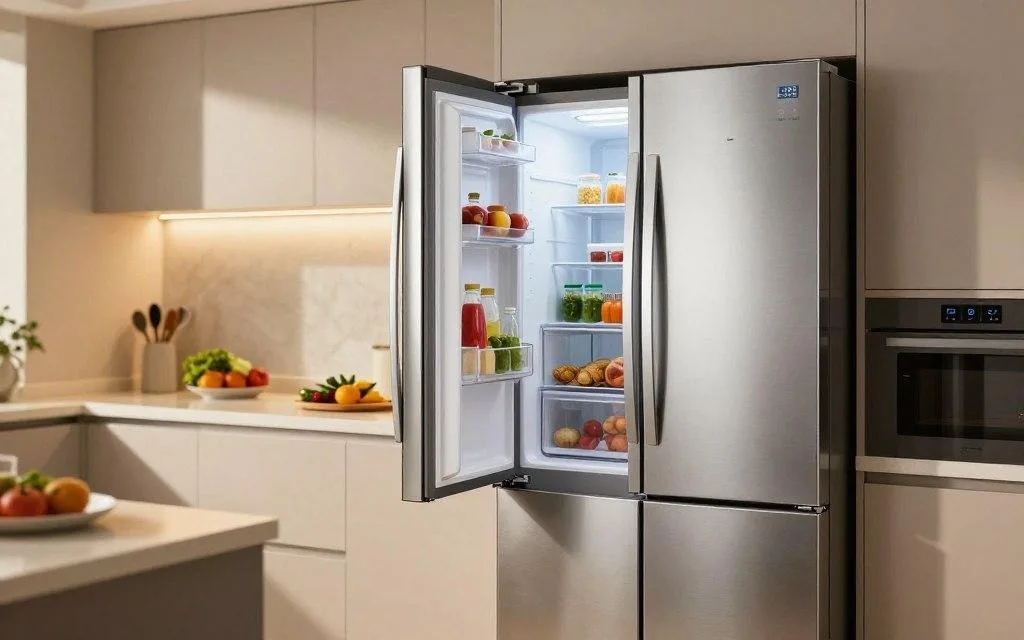
In the heart of the United Arab Emirates, the intense heat can pose a significant challenge for households. Many people may not realize how crucial it is to maintain the right settings for their cooling appliances. Imagine reaching for your favorite meal, only to find it spoiled due to improper storage conditions. Understanding the ideal settings for your fridge and freezer is not just about convenience; it’s about safety.
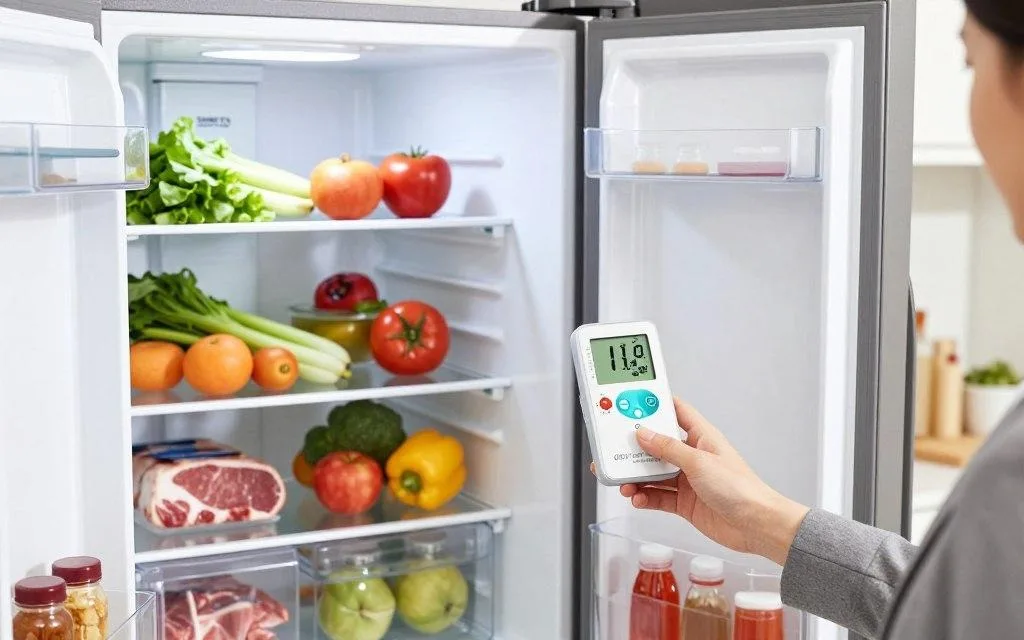
Foodborne illnesses can become a real threat when bacteria multiply rapidly. In fact, they can double every 20 minutes at room temperature. This makes it essential to keep your fridge at or below 40°F and your freezer at 0°F. Fortunately, an inexpensive appliance thermometer can help monitor these conditions accurately, ensuring your food stays safe and fresh.
This article will provide practical guidance on food storage, adjusting settings, troubleshooting issues, and even exploring modern cooling technology. By the end, you’ll be equipped with the knowledge to protect your food and your family.
Key Takeaways
-
Maintaining the right settings is crucial for food safety.
-
Foodborne bacteria can double quickly if not stored properly.
-
The recommended fridge setting is 40°F and 0°F for the freezer.
-
Using an appliance thermometer offers reliable monitoring.
-
Learn practical tips for effective food storage and cooling technology.
Understanding the Importance of Proper Temperature Settings
In the UAE's warm climate, maintaining food safety is a constant concern. Cold settings in cooling appliances are vital for slowing bacterial growth, significantly reducing the risk of foodborne illnesses. According to the FDA, keeping the fridge at or below 4°C and the freezer below -18°C ensures safer food preservation.
Each year, approximately 48 million cases of foodborne illness occur in the U.S. alone. This staggering number highlights the importance of accurate temperature control. By stabilizing temperatures, households can minimize spoilage, enhance food quality, and reduce unnecessary replacements.
It's also worth noting that extreme settings do not guarantee efficiency. Excessive cooling can lead to increased energy consumption, making it crucial to find a balance that promotes both safety and efficiency.
Ideal Refrigerator and Freezer Temperature Settings in UAE
The sweltering heat of the UAE presents unique challenges for maintaining food freshness. It is essential to set your cooling appliances correctly to ensure food safety. The recommended range for a fridge is between 1.7°C and 3.3°C, or approximately 35°F-38°F. This setting helps slow down bacterial growth and keeps food safe for consumption.
For the freezer, a standard setting of 0°F, or -18°C, is crucial for keeping frozen food solid and safe. Given the extreme temperatures in the UAE, it is vital to monitor these settings closely, especially during the hot summer months when the door may be opened frequently.
Interestingly, the door shelves of a fridge can be warmer than the back. This makes shelf placement important for sensitive foods. Always remember that the actual internal temperature may differ from the numbered settings displayed on many refrigerators.
"Proper food storage is key to preventing spoilage and ensuring safety."
For more detailed guidance on maintaining the right conditions, check out this resource on refrigerator settings.
How to Check and Adjust Your Refrigerator and Freezer Temperature
In the UAE, the extreme heat necessitates careful monitoring of food storage conditions. Accurate temperature readings are vital for ensuring food safety. Using thermometers is the best way to achieve this.
Place one thermometer in the center of the fridge and another in the center of the freezer. Avoid putting them near the doors, as these areas may not reflect true temperatures.
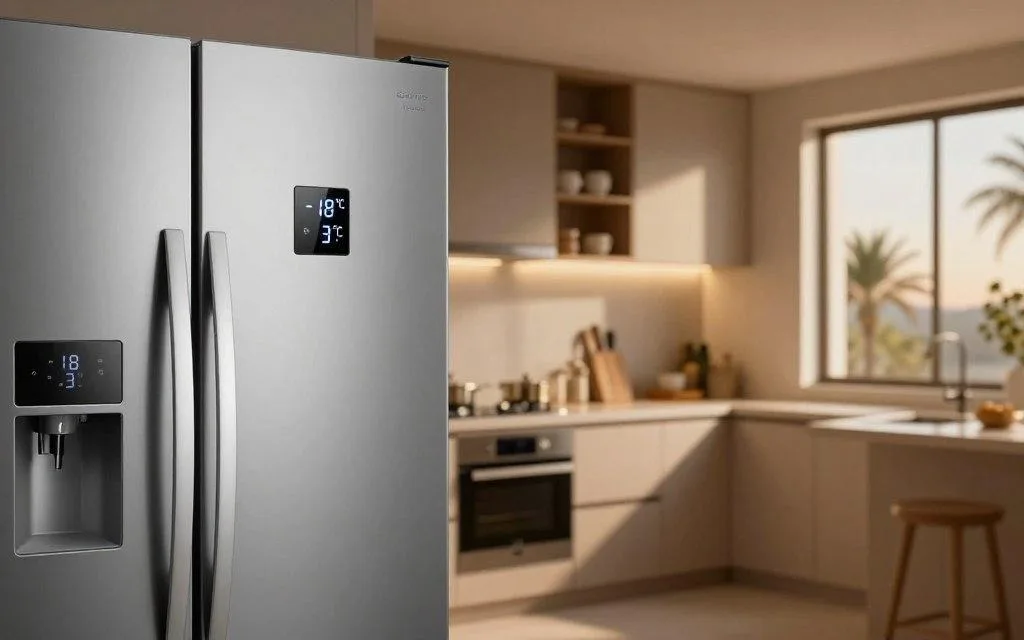
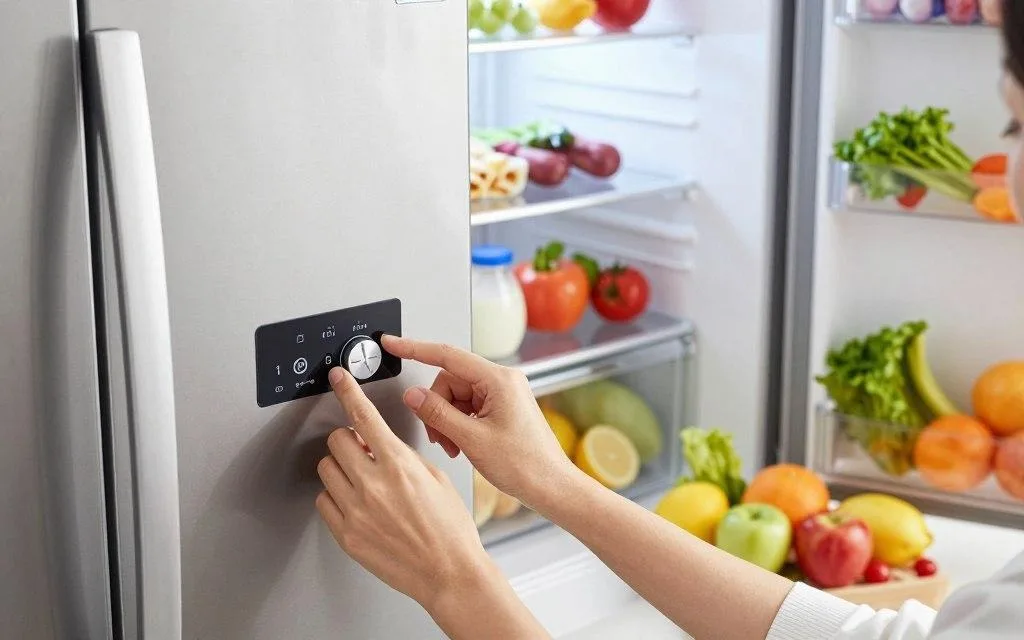
After adjusting the settings, allow the appliance to operate for 24 hours before checking the readings again. Many modern appliances come with digital displays, while older models may have dials or sliders. Consult the manufacturer’s instructions if you're unsure about your appliance.
A separate thermometer can confirm if the displayed settings match the actual conditions inside. This step is crucial for maintaining food safety.
Maximizing Food Freshness with the Right Refrigerator and Freezer Temperature
The climate in the UAE can significantly impact how food is stored and preserved. Understanding the right practices for food storage can enhance freshness and reduce waste.
For optimal results, consider the following:
-
Store dairy products, like milk and soft cheeses, in the colder sections of the fridge. This helps maintain their quality and prevents spoilage.
-
Delicate items such as lettuce and berries thrive in slightly warmer areas. This prevents freezing and wilting.
-
Avoid placing highly perishable foods in the warmer door shelves, as these areas may not provide consistent cooling.
-
Use covered containers and sealed storage bags to protect food from drying out, absorbing odors, and cross-contamination.
-
Organized storage, along with appropriate temperature settings, contributes to longer-lasting food quality and minimizes waste.
By implementing these effective storage practices, households can ensure their foods remain fresh and safe for consumption.
Optimizing Food Safety and Minimizing Spoilage
The warm environment in the UAE demands careful food handling to prevent spoilage. Perishable items should be refrigerated within two hours of purchase or cooking. This rule is crucial for meats, poultry, seafood, eggs, and leftovers.
When outdoor temperatures exceed 90°F, the time limit decreases to just one hour. This emphasizes the need for quick action in hot conditions.
Safe food handling starts with hygiene. Hands should be washed with warm water and soap for at least 20 seconds before and after preparing food. This simple step can greatly reduce the risk of contamination.
For large quantities of leftovers, divide them into shallow containers. This allows for quicker cooling and more even temperature distribution inside the fridge.
Additionally, it’s essential to leave space around vents in the fridge. Overloaded shelves can restrict cold air circulation, leading to warmer areas and potential spoilage.
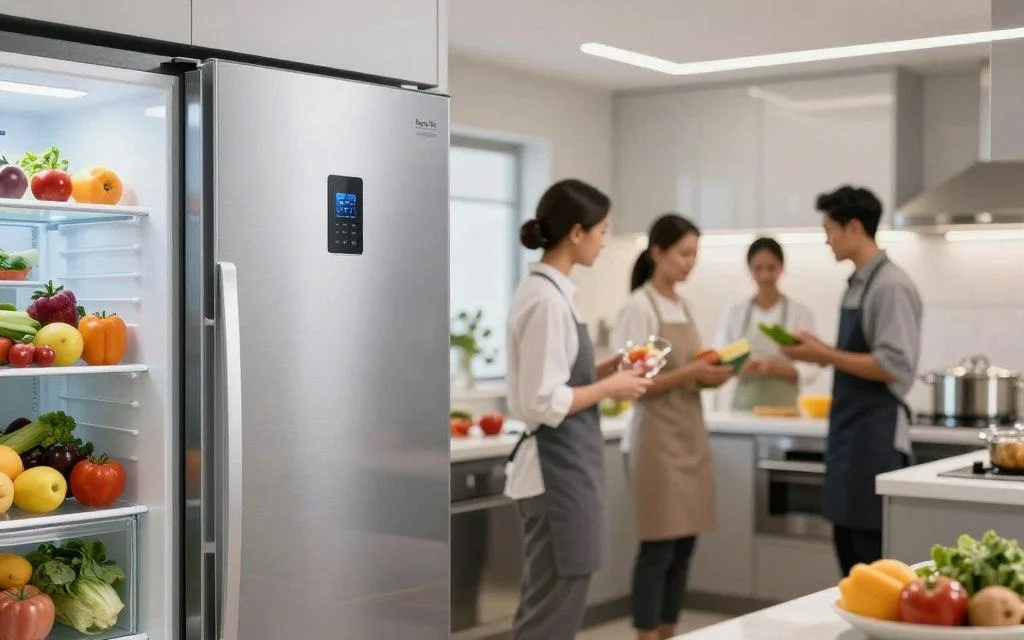
Troubleshooting Common Temperature Issues
Keeping food fresh in the UAE's heat demands attention to appliance settings and airflow. Identifying temperature issues is essential for maintaining food safety. Start by verifying the readings with a separate thermometer placed in the center of the fridge. This will ensure accurate monitoring of the conditions inside.
Next, check the door seals. A simple paper or dollar bill test can reveal if the seal is tight enough to retain cold air. If gaps or cracks are found, clean the seals or replace them to prevent warm air from entering.
Additionally, blocked vents can hinder cold air circulation. Overloading shelves may also create uneven cooling, leading to potential spoilage. Frequent door openings and high room temperatures are common causes of temperature fluctuations.
-
Verify readings with a separate thermometer.
-
Use a paper test to check door seals.
-
Clean or replace damaged seals.
-
Ensure vents are clear for proper airflow.
-
Avoid overloading shelves to maintain even cooling.
If unusual buzzing, clicking, or rattling accompanies cooling problems, read our fridge noise troubleshooting guide.
If the refrigerator still cannot maintain a safe temperature after basic checks, consider professional refrigerator repair in Dubai.
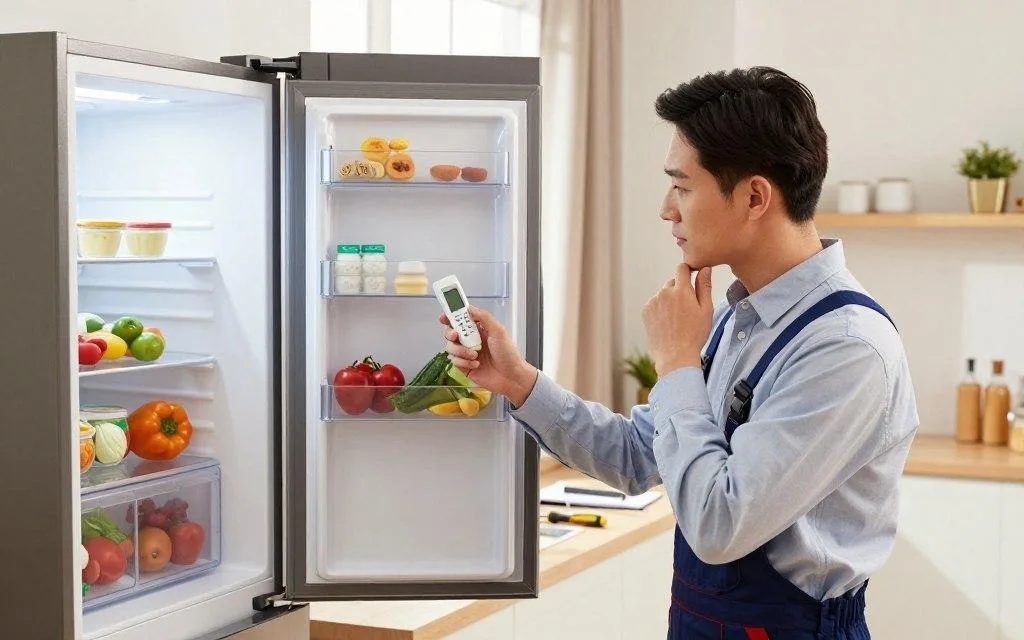
Expert Tips for Quick Chill and Food Preservation
Swiftly managing food storage is crucial in the UAE's hot climate to keep items fresh. Groceries and leftovers should not remain at room temperature for more than two hours. This is especially important for perishable items, which can spoil quickly.
In conditions where the air temperature exceeds 90°F, the safe limit drops to just one hour. Therefore, it’s vital to act fast. When shopping, groceries requiring refrigeration should be transferred from the car to the fridge as soon as possible.
Leftovers should be divided into smaller containers and refrigerated within two hours to accelerate cooling. Additionally, takeout meals should be chilled promptly. Consumers should avoid requesting leftovers when the journey home exceeds two hours.
Lastly, marinated food must remain refrigerated. Bacteria can multiply rapidly when marinades sit at room temperature, posing a health risk.
Leveraging Technology for Advanced Temperature Control
The scorching climate of the UAE calls for innovative solutions in food preservation. Modern appliances now come equipped with smart features that help maintain ideal conditions for food storage.
Digital displays provide clear insights into current internal conditions. This allows users to quickly identify any temperature changes. For example, Bosch Home Connect enables remote monitoring and control via smartphones, ensuring food stays fresh even when you're away.
Smart Features and Digital Displays
These features enhance user experience significantly. With options like:
-
Electrolux EvenTemp, which cools each shelf individually to minimize fluctuations.
-
Electrolux TwinTech Cooling, which stabilizes temperature and humidity levels.
-
Electrolux QuickChill, designed to rapidly cool large quantities of fresh food.
-
Bosch VitaFreshPro, which automatically balances temperature and humidity based on selected food settings.
Innovative Cooling Technologies in Modern Appliances
These technologies not only improve food quality but also ensure that perishable items remain safe. As temperatures rise, leveraging such advancements becomes essential for effective food storage.
Conclusion
In the United Arab Emirates, the high temperatures demand vigilant attention to food safety. Households should keep the fridge between 35°F and 38°F, while the freezer should be at 0°F or lower. Using a separate thermometer can confirm these settings, as appliance controls may not reflect actual conditions.
Perishables need to be chilled within two hours, or within one hour if temperatures exceed 90°F. Proper organization inside the fridge, along with clear vents and intact door seals, helps maintain stable conditions. Limiting door openings is also crucial.
Smart features like Bosch Home Connect and Electrolux EvenTemp support consistent monitoring and cooling. Regular checks, safe handling, and suitable storage practices can significantly enhance food quality and reduce spoilage.
For persistent refrigerator or freezer temperature problems in Dubai, contact Super Fix Appliances or book a repair for a professional assessment.
FAQ
What is the ideal temperature for food storage?
The recommended temperature for a fridge is between 35°F and 38°F, while the freezer should be set at 0°F to keep food safe and fresh.
How can I ensure my food stays fresh longer?
Keeping the appliance at the right temperature and organizing items properly can help maintain food quality and reduce spoilage.
What are some signs that my appliance is not cooling properly?
If food is spoiling quickly, ice buildup occurs, or the appliance feels warm to the touch, it may indicate a cooling issue that needs attention.
How often should I check the temperature settings?
It is advisable to check the settings at least once a month to ensure they are within the optimal range for food safety.
Can I use a regular thermometer to check the temperature?
Yes, a regular thermometer can be used to measure the internal temperature of the fridge and freezer for accurate readings.
What should I do if my appliance is not maintaining the right temperature?
First, check the door seals and vents for blockages. If issues persist, consider contacting a professional for repairs.
Are there specific temperature settings for different types of food?
Yes, certain items like dairy and meats may require slightly different temperatures to ensure optimal freshness and safety.
How does humidity affect food storage?
Maintaining appropriate humidity levels can help keep fruits and vegetables fresh, as too much moisture can lead to spoilage.
What technology features can help with temperature control?
Many modern appliances come with smart features and digital displays that allow for precise temperature adjustments and monitoring.
What immediate actions can I take to cool groceries quickly?
Placing items in the coldest section of the appliance and avoiding overcrowding can help them chill faster after shopping.