




Is Dishwasher Salt Necessary? When You Need It and How It Protects Your Dishwasher
Many people rely on their appliances to simplify daily chores. A clean kitchen can bring a sense of peace, but what happens when the tools meant to help us start to fail? Understanding the components that keep our dishwashing machines running smoothly is essential. One often overlooked element is the role of salt in maintaining optimal performance.
In areas with hard water, mineral buildup can create challenges. This can lead to spots on dishes and even damage to the appliance over time. While all-in-one tablets provide some benefits, they may not contain enough salt to combat these issues effectively. Households facing hard water may find themselves refilling the salt reservoir every couple of weeks.
This article will explore whether salt is a crucial addition to your routine. It will guide you through the importance of using the right components, including detergent and rinse aid, to achieve sparkling, spot-free dishes. With the right knowledge, you can protect your appliance and ensure it remains a reliable helper in your home.
Key Takeaways
-
Understanding the importance of salt for effective cleaning.
-
Hard water can hinder appliance performance and cleanliness.
-
All-in-one tablets may not suffice in hard-water areas.
-
Regular salt refills are necessary for optimal operation.
-
Correct usage helps reduce limescale and prolong appliance life.
Understanding Dishwasher Salt and Its Functions
Salt serves more than just a culinary purpose; it’s vital for appliance maintenance. Understanding how this ingredient functions can significantly enhance the performance of dishwashers, especially in areas with hard water.
Dishwasher salt works through a process called ion exchange. This process allows sodium ions to replace calcium and magnesium ions found in hard water. By doing so, it helps soften the water, which is essential for achieving sparkling clean dishes.
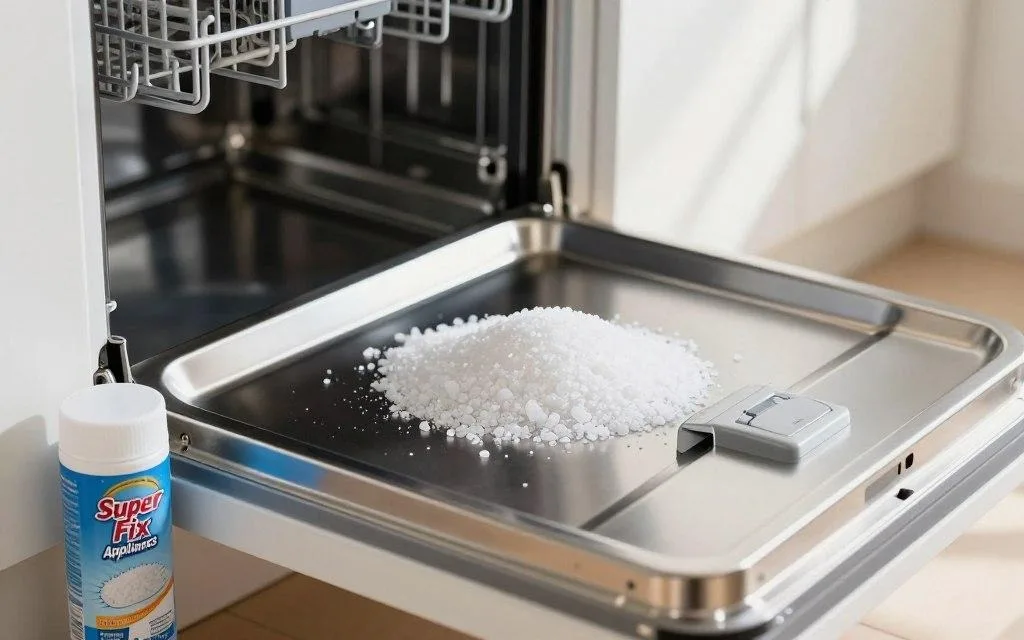
While both dishwasher salt and table salt contain sodium chloride, their applications differ. Coarse granules of dishwasher salt dissolve properly in the softener system, preventing clogs. In contrast, regular table salt is finely ground and can block the water-softening system, leading to inefficiencies.
It's also important to distinguish between salt and detergent. Detergent removes grease and food residue, while rinse aid reduces water spots. Softened water, aided by salt, enhances clarity and minimizes limescale buildup on glasses and utensils.
Importance of Water Hardness in the UAE
Understanding the quality of water in your home is essential for appliance efficiency. In the UAE, many households face challenges with hard water. This type of water contains higher levels of minerals, especially calcium and magnesium, which can affect the performance of appliances.
To measure local water hardness, residents can use a home water-hardness test strip. This simple test involves dipping the strip into a water sample and waiting for a color change. The result can then be compared with a chart provided in the kit. Additionally, the local water supplier often provides information about hardness levels.
Households should be aware that high mineral concentrations indicate harder water conditions. This knowledge is vital, as it influences the risk of limescale buildup, salt consumption, and the appropriate settings for the softener in the appliance. Consulting the appliance manual is recommended, as different dishwashers have varying hardness scales and settings.

Is Dishwasher Salt Necessary?
A well-functioning appliance is essential for maintaining a tidy home. In hard-water areas, the presence of minerals like calcium and magnesium can lead to limescale buildup. This buildup not only affects the cleanliness of dishes but can also restrict water flow within the machine.
Using dishwasher salt helps to combat these issues. It effectively reduces the minerals that cause limescale, protecting the internal components of the appliance. This protection ensures consistent water flow, which is crucial for effective cleaning.
Households in hard-water regions may need to refill the salt reservoir every 1-2 weeks. In contrast, those in moderately soft areas might only require occasional refills. Soft-water homes may find that they rarely need to use salt at all.
It's important to consult the dishwasher manual for specific recommendations based on water hardness levels. This guide will help users determine the right amount of salt needed for optimal performance.
| Water Hardness Level | Recommended Salt Usage | Refill Frequency |
|---|---|---|
| Hard Water | Regularly use salt | Every 1-2 weeks |
| Moderately Soft | Occasional use | Every month |
| Soft Water | Rarely needed | Every few months |
Adjusting Dishwasher Settings for Optimal Salt Use
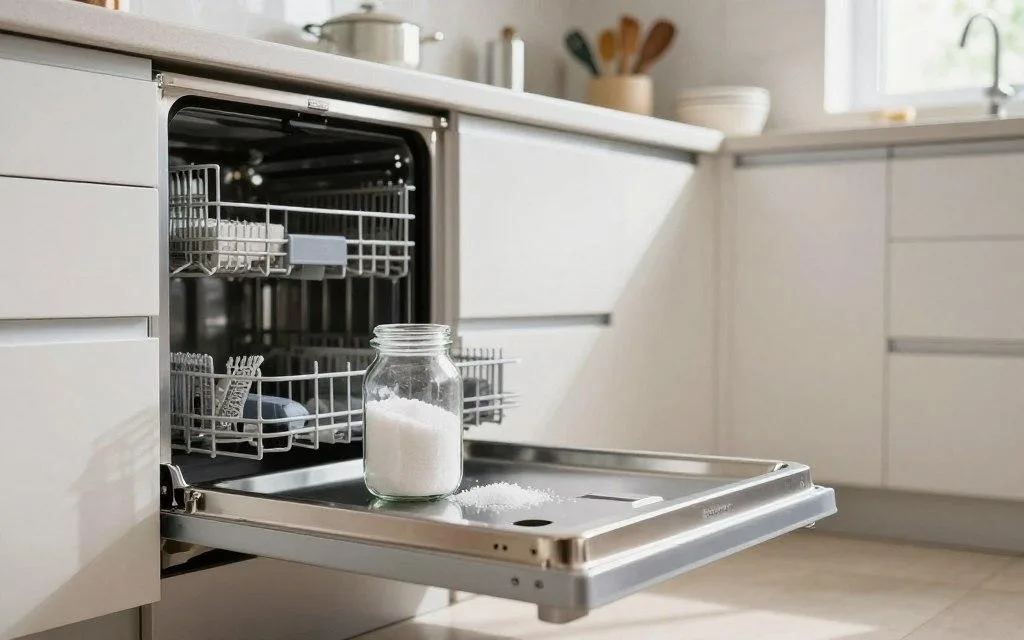
Adjusting the settings on your appliance can greatly enhance its efficiency. The harder the water, the higher the softener setting should be. This adjustment allows the machine to use more salt, ensuring effective limescale prevention.
Users can easily locate hardness controls on the dishwasher panel. In some modern models, settings may also be adjusted through a connected mobile application. Referencing the user manual will help match the measured water hardness with the manufacturer's recommended settings.
Correctly configuring these settings enables the machine to release the appropriate softening capacity. This not only conserves salt but also minimizes limescale buildup. Many dishwashers feature a refill indicator, signaling when the reservoir needs attention.
Proper settings lead to clearer dishes, fewer mineral marks, and more predictable refill intervals. As a result, users can enjoy sparkling clean dishes while extending the lifespan of their appliance.

Proper Techniques for Using and Refilling Dishwasher Salt
Efficient maintenance of an appliance requires understanding the correct techniques for using and refilling its components. Properly refilling the salt reservoir ensures optimal performance and longevity of the appliance.
Follow these steps for a successful refill:
-
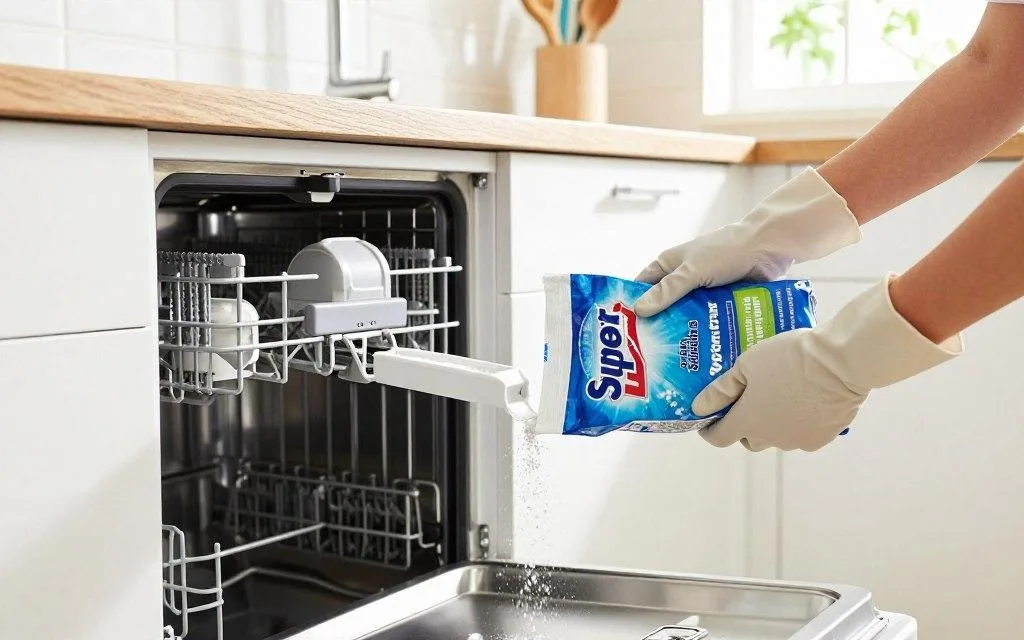
Begin by removing the bottom rack to access the salt reservoir safely.
-
Unscrew the cap and use a funnel to pour the salt into the opening, minimizing spills.
-
It's normal to see water in the reservoir; the added salt will displace it.
-
Fill the reservoir nearly to the top, ensuring there’s enough space for the cap to close securely.
-
Wipe away any spilled salt or saltwater, as residue can leave marks on dishes.
-
If a significant spill occurs, run an empty rinse cycle to clear any remaining salt.
-
After filling, check the refill indicator to help monitor future salt levels.
For more detailed information on the importance of using salt correctly, visit this guide.
Common Mistakes and Risks with Using the Wrong Salt
Choosing the right type of salt for an appliance is crucial. Many users mistakenly opt for table salt, unaware of the potential consequences. Its fine texture can easily clog the softener tank, disrupting the entire cleaning process.
Additionally, culinary salts like sea salt and kosher salt may contain additives or granules unsuitable for water-softening systems. These impurities can lead to residue on dishes, compromising cleanliness.
Here are some common mistakes to avoid:
-
Using table salt instead of the recommended coarse product can lead to clogs and inefficiencies.
-
Sea salt and kosher salt may introduce unwanted additives that harm the appliance.
-
If table salt has been added, it's essential to flush the reservoir and run an empty rinse cycle.
-
An improperly secured cap can allow salt to leak into the washing chamber, leaving marks on dishes.
-
Dishwasher salt should remain in the appliance and not be used in washing machines, as it may cause corrosion.
In summary, using the correct coarse product is vital for maintaining appliance health. Avoid improvising with ordinary kitchen salt to ensure optimal performance.
If the dishwasher develops persistent cleaning, water-softening, or mechanical problems, you can explore Super Fix's appliance repair services in Dubai.

Enhancing Dishwasher Efficiency with the Right Salt
The longevity of kitchen appliances can be improved by employing the right maintenance strategies. Proper use of salt plays a crucial role in maintaining cleaning efficiency and ensuring stable water flow within the machine.
Softened water leads to cleaner dishes by reducing cloudy residue, spots, and streaks on glasses, plates, and cutlery. Regular cleaning of the appliance, approximately every couple of months, helps eliminate grime and limescale that salt alone cannot remove.
For more information about ongoing maintenance, read our guide on why regular dishwasher servicing matters.
For machines without a refill indicator, it’s wise to check the salt levels or top them up every three months. Rinse aid also plays a vital role by helping water roll off surfaces, preventing spots from drying onto dishes.
When used together, the right salt, rinse aid, and regular cleaning can significantly enhance the appliance's performance and extend its service life.
For standing water or drainage-related problems, see our dishwasher drainage troubleshooting guide.
| Maintenance Task | Frequency | Benefits |
|---|---|---|
| Check Salt Levels | Every 3 months | Ensures optimal performance |
| Clean Appliance | Every 2 months | Removes grime and limescale |
| Use Rinse Aid | As needed | Reduces water spots |
Conclusion
In conclusion, understanding the role of salt in maintaining appliances is vital for households, especially in hard-water areas. Regular use helps soften mineral-rich water, reducing limescale buildup and ensuring cleaner dishes.
While all-in-one tablets may suffice in moderately soft conditions, they often lack the necessary components for hard water. Soft-water homes might find infrequent refills sufficient, guided by the refill indicator and appliance manual.
Choosing the right coarse salt is crucial, as table salt can lead to clogs and residue. Testing local water hardness aids in selecting the appropriate settings and estimating refill frequency accurately.
By maintaining regular refills, cleaning up spills, using rinse aid, and periodically cleaning the appliance, households can achieve spotless dishes and extend the life of their appliances.
If your dishwasher continues to develop faults in Dubai, contact Super Fix Appliances or book a repair to request a technician's assessment.
FAQ
What is the purpose of using salt in a dishwasher?
Salt is used to soften water, which helps prevent limescale buildup in the machine. This is especially important in areas with hard water, as it can improve cleaning performance and extend the appliance's lifespan.
Can regular table salt be used instead of dishwasher salt?
No, using table salt can lead to damage. Table salt contains additives that can harm the machine, while dishwasher salt is specifically formulated for this purpose.
How can I determine if my water is hard?
You can measure local water hardness using a water testing kit, which provides a clear indication of mineral levels. Many local utilities also publish water quality reports that include hardness information.
How often should I refill the salt in my dishwasher?
The frequency of refilling depends on water hardness and usage. Generally, it is recommended to check the salt level monthly and refill as needed.
What are the signs that my dishwasher needs salt?
Common signs include cloudy glasses, streaks on dishes, and limescale buildup inside the machine. These indicate that the water is not being softened effectively.
Are there any risks associated with using the wrong type of salt?
Yes, using the incorrect salt can cause clogs, damage internal components, and reduce cleaning efficiency. It is crucial to use the recommended type for optimal performance.
How does using salt improve dishwasher efficiency?
By softening water, salt enhances detergent effectiveness, leading to cleaner dishes and reducing the need for additional cycles. This ultimately saves time and energy.