




Dishwasher to Drain Problems Solved Quickly and Easily
Have you ever wondered why your appliance leaves behind water and detergent residue after a cycle? This common issue can be frustrating for many homeowners. Understanding the reasons behind it can save time and money.
Many people assume that a malfunctioning appliance is the cause of the problem. However, this is often not the case. Simple household checks can reveal that the issue might stem from food particles, debris, or even kinks in the hose. These minor problems can sometimes be resolved without professional help.
In this article, we will explore quick first checks to address drainage issues. From utilizing the appliance's drain or reset function to inspecting the filter condition, we will guide you through essential troubleshooting steps. Homeowners in the UAE will find this information particularly valuable, ensuring safe handling while protecting their flooring and cabinetry.
For persistent dishwasher drainage problems in Dubai, Super Fix Appliances provides home and kitchen appliance repair services, and its current service range specifically includes Dish Washer repairs.
Key Takeaways
- Standing water can result from food debris, a clogged filter, a kinked hose, or a blocked sink connection.
- A small amount of clean water in some dishwasher sump areas can be normal, depending on the model.
- Check the filter and accessible drain path before assuming the pump has failed.
- High-loop or air-gap requirements depend on the appliance installation instructions and applicable plumbing requirements.
- Avoid chemical drain openers inside the dishwasher.
- Persistent drainage, pump, electrical, or leakage problems may require professional diagnosis.
Getting to Know Your Dishwasher Drain System
Understanding how your appliance manages water flow can help solve common issues. The drain hose plays a crucial role, connecting the appliance to the plumbing beneath the kitchen sink. This setup is essential for proper water removal after each cycle.
In many UAE homes, drainage problems can arise from food residue, grease, or limescale. These factors can restrict the flow from the appliance to the sink, leading to clogs and inefficient drainage.
Here are some key points to consider:
- The drain hose carries used water from the appliance to the kitchen sink plumbing.
- Depending on the model and installation, manufacturers may specify a high loop, air gap, or another approved drain arrangement to help prevent wastewater from flowing back into the dishwasher.
- A correctly routed hose helps reduce backflow, odors, and drainage problems.
- Proper installation is crucial to avoid dirty water returning to the appliance.
Whirlpool specifically notes that a correct high loop or working air gap can prevent wastewater from flowing back into a dishwasher, while GE likewise requires the drain hose to follow the model-specific installation instructions. Whirlpool dishwasher drainage guide
If you're comparing dishwasher layouts that interact closely with the sink area, our previous guide Best Dishwasher for Sink Options explains the differences between sink-integrated and conventional installations.
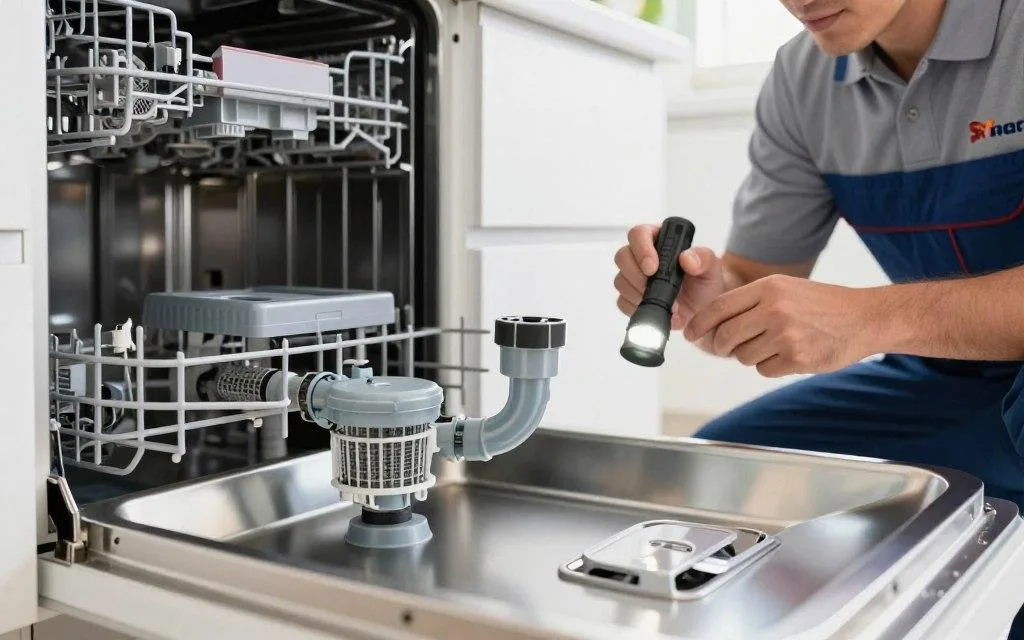
Identifying and Troubleshooting Drain Clogs
Water pooling at the bottom of your appliance can signal a drainage issue. Addressing the problem promptly can help prevent odors, residue, or leakage.
However, not every visible drop of water means the dishwasher has failed. GE notes that some models can normally retain a small amount of water around the bottom of the tub or sump area. The concern is excessive, dirty, or increasing standing water.
Regular checks of the drain hose and filter can help identify common problems.
Check the Dishwasher Filter
On many models, the filter assembly is located near the bottom of the tub. This area can collect grease, food particles, labels, and other debris.
Remove and clean the filter according to the manufacturer's instructions. Many removable filters can be rinsed under warm water, with a soft brush used for stubborn residue.
Filter-cleaning frequency varies by model and household usage, so the user manual should take priority over a universal monthly schedule.
Inspect the Drain Hose
Inspect the drain hose beneath the sink or at its accessible connection point.
Look for:
- Kinks
- Pinched sections
- Visible blockage
- Loose connections
- Incorrect routing
If the hose needs to be cleared, use a flexible plastic line or dishwasher-safe brush, not a metal coat hanger or other sharp object that could puncture it. Whirlpool specifically cautions against sharp tools when clearing drain hoses.
Check the Sink or Disposal Connection
If the dishwasher connects to a garbage disposal, confirm that the disposal is clear.
For a newly installed disposal, also confirm that the dishwasher-inlet knockout plug was removed. This is a common cause of a newly installed dishwasher failing to drain.
If no disposal is installed, inspect the relevant sink-drain connection according to the dishwasher's installation instructions.
| Component | Location | Maintenance Check |
|---|---|---|
| Filter | Bottom of dishwasher tub | Clean according to user manual |
| Drain Hose | Dishwasher to sink plumbing | Check for kinks or blockage |
| Sink Connection | Under kitchen sink | Check for obstruction |
| Air Gap | If fitted near sink | Check for debris |
| Drain Pump | Internal component | Professional diagnosis if required |
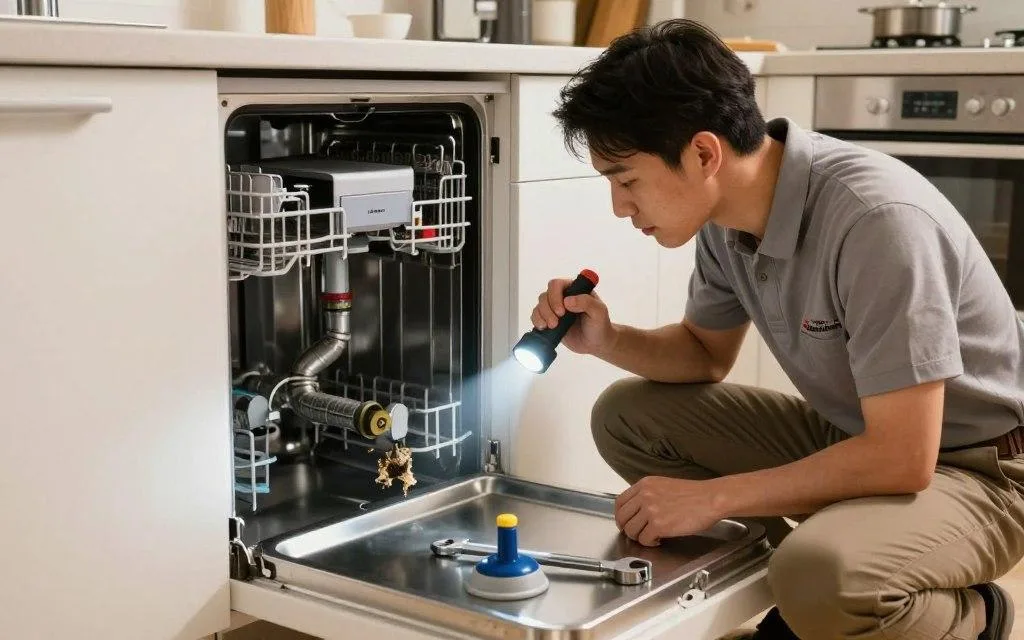
Fixing Your Dishwasher to Drain Issues Step-by-Step
Experiencing trouble with water not being removed from your appliance can be quite frustrating. Fortunately, there are simple steps that can help identify the cause.
Step 1: Try the Correct Drain or Cancel Function
Some dishwashers allow a Cancel/Drain or model-specific reset function that activates the drain pump.
Do not assume every dishwasher uses the same reset procedure. Check the appliance manual for the correct buttons or sequence.
Step 2: Switch Off the Appliance Safely
If standing water remains and you need to inspect accessible components, turn off and unplug the appliance.
Remove dishes and racks if necessary.
Place towels near the machine before removing standing water to protect nearby cabinetry and flooring.
Step 3: Remove Excess Standing Water
You can use:
- A cup or small container
- Towels
- A wet/dry vacuum where appropriate
Removing excess water makes the filter and sump easier to inspect.
Step 4: Clean the Filter and Accessible Sump Area
Remove visible food particles or debris from the filter and accessible sump area according to the user manual.
Use warm water and a soft brush where permitted.
I have removed the original 1:1 baking soda and vinegar instruction as a universal repair step. Some manufacturers may allow specific cleaning methods, but cleaning agents should be used only when permitted by the appliance manual.
Step 5: Check the Drain Hose
Inspect the hose for:
- Kinks
- Crushing
- Blockages
- Incorrect routing
Do not use harsh chemical drain cleaners inside a dishwasher. GE and Whirlpool both caution against drain-opening chemicals because they can damage appliance components and create safety problems.
| Step | Action | Notes |
|---|---|---|
| 1 | Use correct drain/cancel function | Follow model manual |
| 2 | Turn off and unplug | Safety before inspection |
| 3 | Remove standing water | Use cup, towels or suitable vacuum |
| 4 | Clean filter and sump | Remove accessible debris |
| 5 | Check drain hose | Look for kinks or blockages |
| 6 | Check sink connection | Verify drainage path is clear |
If these checks do not restore drainage, Super Fix appliance repair services currently includes dishwasher servicing in Dubai.
Maintaining Drain Hoses and Filters for Optimal Performance
Proper upkeep of the filter and hoses can significantly enhance appliance performance. Regular maintenance helps prevent clogs and supports effective drainage.
The filter should be removed and cleaned using the method specified for your model. Warm water and a soft-bristle brush are suitable for many removable dishwasher filters, but follow the manufacturer's instructions.
Solid food should also be scraped into the bin before loading dishes.
ENERGY STAR specifically recommends scraping rather than pre-rinsing because unnecessary rinsing increases water and energy use. ENERGY STAR dishwasher guidance
Useful maintenance checks include:
- Inspect and clean the filter according to the manual.
- Scrape large food particles from dishes before loading.
- Check the drain hose if drainage performance changes.
- Check accessible connections for leaks.
- Keep the sink drain path functioning correctly.
- Use only manufacturer-approved dishwasher cleaning products or methods.
| Component | Maintenance Frequency | Method |
|---|---|---|
| Filter | According to manual and usage | Rinse and clean gently |
| Drain Hose | Inspect if drainage changes | Check for kinks and damage |
| Sink Connection | As needed | Check for blockage or leaks |
| General Cleaning | According to manufacturer | Approved dishwasher cleaner/method |
For a broader maintenance perspective, see the previous Super Fix guide Why Regular Dishwasher Services Are Essential for Longevity?.
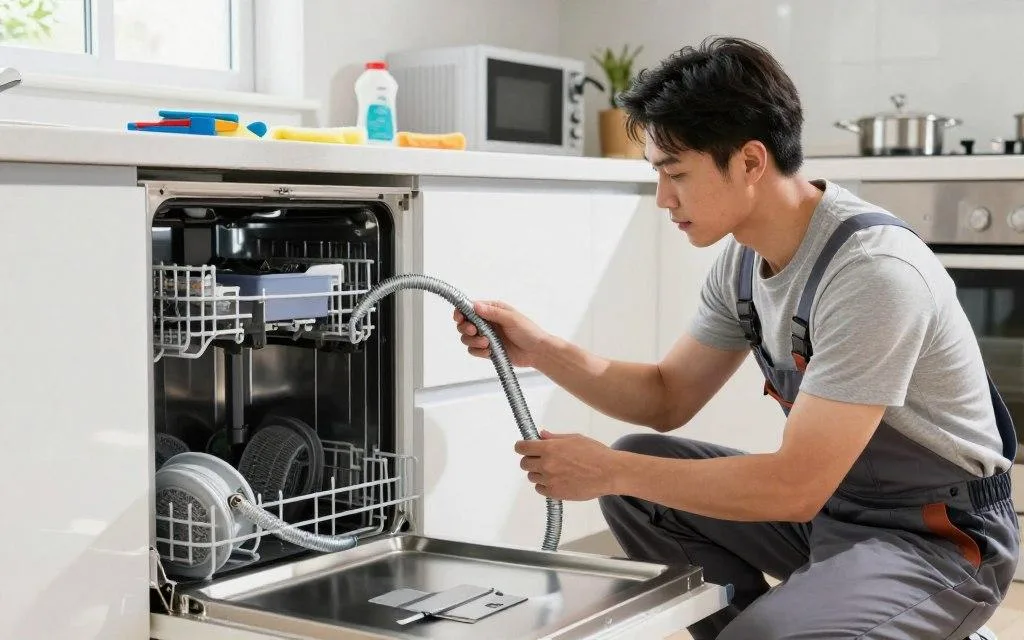
Installing and Checking Drain Connections in UAE Kitchens
Installing the right connections in your kitchen can make a significant difference to drainage performance.
The original draft cited IRC Section P2717.2 as though it directly governed UAE dishwasher installations. I would not publish that wording.
Instead, follow:
- The dishwasher manufacturer's installation instructions.
- Applicable UAE/local plumbing requirements.
- Any requirements provided by the installer, building management, or relevant authority.
Depending on the dishwasher and local requirements, the installation may use a high drain loop, air gap, or another approved configuration.
GE explains that when an air gap is not used on applicable installations, its dishwasher drain hose needs a high loop installed at the height specified in the model's installation instructions.
Whirlpool likewise advises that some models require the drain hose to arch upward and be secured near the upper cabinet area before connecting to the sink or disposal.
Check the Drain Hose Routing
The hose should not be:
- Kinked
- Crushed
- Stretched excessively
- Sagging incorrectly
- Loosely connected
Check the Sink-Side Connection
The dishwasher drain should connect in the manner specified by the manufacturer and applicable plumbing requirements.
If you're planning a dishwasher around a sink configuration, the earlier Best Dishwasher for Sink Options guide can help with layout and installation considerations.
| Installation Aspect | Recommendation | Common Mistake |
|---|---|---|
| High Loop | Follow model instructions | Hose routed too low |
| Air Gap | Use where required/applicable | Air gap clogged or omitted |
| Drain Hose | Secure without kinks | Crushed or loose connection |
| Sink Connection | Follow installation instructions | Blocked connection |
| Garbage Disposal | If fitted, check inlet plug | Knockout plug left installed |
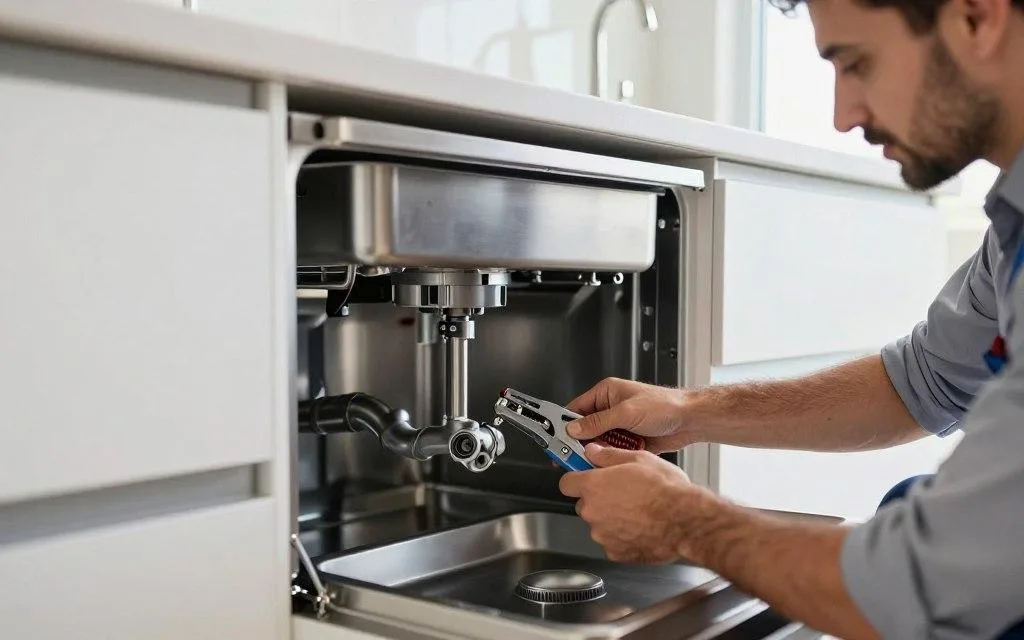
Innovative Ways to Prevent Future Drain Blockages
Keeping your appliance running smoothly requires proactive measures to prevent blockages. Regular maintenance can save you from frustrating drainage issues later.
Solid food should be scraped into the bin before loading dishes. This simple step reduces the amount of debris reaching the filter and drainage system.
Additionally, check the hose and sink connection if you notice slow drainage or leaks.
Useful preventative practices include:
- Inspect the filter regularly.
- Scrape solid food into the bin before loading.
- Check the hose and sink connection when drainage changes.
- Clean an installed air gap if the manufacturer allows user access.
- Use only dishwasher-approved cleaning methods.
- After maintenance, run a short or empty cycle where appropriate to confirm drainage.
- Promptly investigate unusually large amounts of standing dirty water.
These steps can help ensure your appliance operates efficiently, making kitchen tasks easier and more enjoyable.
When to Call a Dishwasher Technician
Basic checks can resolve many drainage problems, but stop DIY troubleshooting when the fault appears to involve:
- Drain-pump failure
- Electrical wiring
- Control board
- Persistent error codes
- Water leaking beneath the appliance
- Repeated pump humming with no drainage
- Internal hose damage
- Major plumbing problems
- Recurring standing water after the filter and hose are clear
Whirlpool notes that persistent no-drain problems can involve the pump, controls, or other components that require service.
Super Fix's live appliance-services page currently lists Dish Washer among the repair categories available in Dubai.

Conclusion
It’s not uncommon for appliances to leave behind water, signaling potential drainage problems.
To tackle these issues effectively, follow a systematic approach. Start with the correct drain or cancel function for your dishwasher. If necessary, switch the appliance off safely, manually remove excess standing water, and inspect the filter.
Check the drain hose for kinks and inspect the sink or garbage-disposal connection where applicable.
After completing these steps, run an appropriate test cycle to confirm that the dishwasher is draining correctly.
Remember, avoiding harsh drain-opening chemicals is crucial because they can damage internal components.
By maintaining proper installation and performing regular checks, homeowners can reduce recurring drainage problems and keep appliances operating more reliably.
If the dishwasher still does not drain after these checks, professional diagnosis may be required.
Frequently Asked Questions
What should I do if my appliance has standing water?
First determine whether the amount is unusual for your model. A small amount near the sump may be normal on some dishwashers. If excessive or dirty water remains, check the filter, drain hose, sink connection, and air gap if fitted.
How can I prevent clogs in my drain system?
Clean the filter according to the manufacturer's instructions, scrape large food particles from dishes, and inspect the drain path if drainage becomes slower.
What are the signs of a blockage in the drain hose?
Signs can include slow drainage, excessive standing water, a drain pump running longer than usual, or drainage-related error codes.
Can vinegar and baking soda help with drainage issues?
Do not treat vinegar and baking soda as a universal dishwasher drain repair. Use only cleaning agents and methods approved by your dishwasher manufacturer.
How often should I clean the filter?
Follow the appliance manual. Usage, filter design, and dishwasher model all affect how frequently cleaning is required.
What is the purpose of an air gap in the drain system?
Where used, an air gap helps prevent contaminated sink or drain water from flowing backward into the dishwasher.
What are common installation mistakes to avoid?
Common issues include kinked drain hoses, incorrect hose routing, blocked sink connections, an uncleared garbage-disposal knockout plug, loose connections, or failure to follow the model's high-loop or air-gap requirements.