




My Refrigerator Is Making a Loud Noise: How to Fix It Fast
Have you ever wondered what those strange sounds from your appliance really mean? A noisy fridge can be more than just an annoyance; it might signal an underlying issue that needs attention. Understanding the different sounds your appliance makes is crucial for maintaining its efficiency and longevity.
In this guide, we will explore the various reasons behind a refrigerator making loud sounds. From normal operational noises to potential mechanical problems, each sound can tell a different story. By examining the location, timing, and intensity of these sounds, homeowners can better distinguish harmless noises from those requiring professional help.
Following expert troubleshooting guidance from Mr. Appliance, this article provides a safe troubleshooting sequence. Starting with unplugging the appliance, we will guide you through essential checks involving fans, ice buildup, condenser coils, and more. Whether you live in the UAE or elsewhere, these practical steps will help you address the issue effectively.
Key Takeaways
- Strange sounds can indicate normal operation or mechanical issues.
- Sound location and intensity help identify the problem.
- Unplugging the appliance is a crucial first step.
- Check fans, coils, and ice buildup for common issues.
- Consult local professionals for electrical and refrigerant work.
Identifying the Source of the Noise
Ever find yourself puzzled by the noises from your fridge? Identifying the source is essential for addressing potential issues. The first step involves listening closely to where the sound originates.
Start by determining if the noise comes from the back, bottom, or inside the unit. This location-based method is crucial for effective troubleshooting.
Listening for Specific Sounds
- Bottom rattling often indicates a loose drain pan.
- Noise from the rear may involve the defrost timer, condenser fan, or compressor.
- Interior sounds can signal a failing evaporator fan that circulates air through the freezer and refrigerator.
Observing Refrigerator Components
Note whether the noise occurs continuously, during cooling cycles, or sporadically. Always unplug the unit before inspecting any components, cleaning panels, or moving parts to ensure safety.

Understanding Common Refrigerator Noises
Do the noises from your kitchen appliance leave you scratching your head? Recognizing the sounds can help determine if they are normal or if they require attention. Different sounds can indicate various issues, from minor problems to more serious mechanical failures.
A steady hum is typically normal. However, loud buzzing may suggest issues with the water inlet valve, condenser fan motor, or loose components. Repeated clicking sounds can indicate a struggling compressor, worn relay, or low refrigerant levels.
Rattling noises often point to uneven positioning, loose drain pans, or nearby objects interfering with the appliance. Occasional gurgling can be normal as refrigerant moves through the system, but persistent dripping might signal a blocked defrost drain.
For a closer breakdown of individual sound patterns, you can also read our previous guide on why your fridge is making loud noises and common repair solutions. This article covers buzzing, clicking, rattling, grinding, compressor noise, fan issues, and ice buildup in more detail.
| Sound Type | Possible Cause | Repair Cost (USD) |
|---|---|---|
| Buzzing | Water inlet valve, condenser fan motor | $150 - $400 |
| Clicking | Struggling compressor, low refrigerant | $130 - $400 |
| Rattling | Loose drain pans, uneven positioning | $100 - $300 |
| Knocking | Compressor mounting issues | $140 - $350 |

My Refrigerator Is Making a Loud Noise: Key Indicators
Have you noticed certain signs that hint at issues within your fridge? Understanding these indicators can help you address potential problems early on.
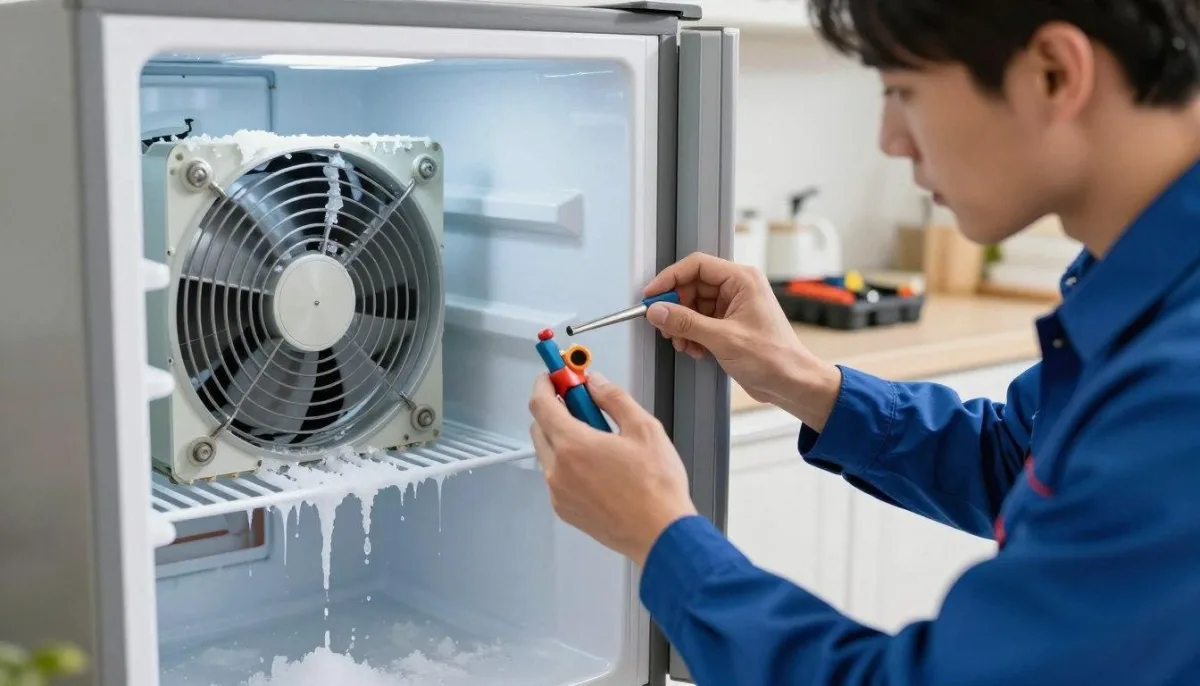
One common issue is ice buildup around the evaporator fan. This can produce scraping, grinding, buzzing, or humming sounds. These noises suggest that the fan blades may be contacting frozen spots, indicating a need for inspection.
Signs of a Faulty Fan and Ice Build-Up
- Scraping or grinding near the freezer fan points to possible ice buildup.
- A ticking sound occurring once or twice daily may signal a faulty defrost timer.
- Visible frost in both compartments could indicate a defrost-system fault.
Issues with the Compressor and Drain Pan
A loud knock during compressor startup or shutdown may suggest loose mounts or worn shock absorbers. Additionally, a loose drain pan can rattle whenever the compressor operates, contributing to the noise.
Pay attention to these signs, as worn wires, grommets, and mounting components require immediate attention to avoid further issues.

DIY Inspection and Basic Fixes
When strange sounds disrupt your daily routine, it's time to take action. Performing a DIY inspection can help identify the source of the issue. Start by unplugging the refrigerator, a crucial safety step recommended before any cleaning or repair.
Next, use a spirit level to check for balance. An uneven refrigerator can vibrate and rattle during normal compressor cycles. If the drain pan is loose or misaligned, reposition and secure it with existing hardware to eliminate bottom noise.
Cleaning is essential for improved performance. Dust can accumulate on the condenser coils and fan areas. A soft brush or vacuum can effectively remove dirt without damaging wiring.
Also, ensure that no items are resting on top or beside the unit, as nearby objects can amplify vibrations.
“Regular maintenance can prevent many issues and extend the life of your appliance.”
By following these basic steps, homeowners can significantly reduce the chances of a noisy appliance. Addressing these simple fixes can lead to a quieter and more efficient refrigerator.

Checking the Fans and Ice Buildup
Understanding the functionality of fans in your appliance can help pinpoint noise issues. Two critical fans to examine are the condenser fan and the evaporator fan. Each plays a vital role in the cooling system of your refrigerator.
The condenser fan is typically located behind an exterior rear access panel. Inspect this area for dirt, obstructions, worn rubber grommets, loose mounts, or damaged blades. Addressing these issues can significantly reduce operational noise.
The evaporator fan, found behind a clipped or screwed panel at the back of the freezer, can also be a source of sound. If the panel remains intact and the manufacturer's instructions allow it, briefly pressing the freezer door or light switch may make fan noise easier to identify. Keep hands and tools away from moving components.
- After unplugging the unit, check if the fan blade spins smoothly by hand.
- Excessive ice buildup around the evaporator fan should be allowed to melt naturally after unplugging.
- Any damaged fan motors, corroded wires, or bent blades should be considered for replacement.
Evaluating Compressor and Motor Performance
Could the sounds from your appliance indicate deeper issues at play? Evaluating compressor and motor performance is crucial for identifying potential problems. The compressor is a vital component that affects the overall cooling system.
Testing the Compressor Functionality
A technician may isolate the condenser-fan motor during diagnosis to determine whether the compressor itself continues to produce excessive noise. Because this procedure involves electrical components and restarting the appliance during testing, it should not be performed as a DIY check.
- Compressor problems become more likely if a qualified technician isolates the condenser-fan motor and confirms that the excessive noise continues.
- A repeated click may suggest a failing compressor relay or start capacitor, which requires specialized diagnostic tools.
If the noise appears to come directly from the compressor, professional diagnosis is the safer option before replacing any components.
The original document includes the condenser-fan isolation test and repeated-click indicator. I have retained the diagnostic meaning while changing only who performs the electrical test.
Determining if Professional Repair Is Needed
When noise persists, cooling declines, or electrical symptoms appear, it is wise to consult a qualified technician. Professional refrigerator repair in Dubai can prevent incorrect motor replacements and reduce the risk of damaging the sealed cooling system.
Super Fix Appliances' current refrigerator service covers compressor faults, fan motor problems, defrost-system issues, cooling loss, refrigerant work, and electrical diagnosis across Dubai.
“Regular maintenance can prevent many issues and extend the life of your appliance.”
Preventative Steps for a Quieter Refrigerator
Curious about how to keep your appliance quiet and efficient? Regular maintenance is key to minimizing disruptions and ensuring optimal performance. Simple steps can prevent many issues before they escalate into costly repairs.
Condenser coils should be vacuumed every six months. Dust accumulation restricts heat dissipation, causing the compressor to work harder and create louder sounds. This interval also aligns with DEWA's electrical appliance guidance, which recommends cleaning the cooling coils behind a refrigerator at least every six months.
Additionally, checking door gaskets periodically is essential. Damaged seals allow warm air to enter, increasing compressor cycling and energy use.
Maintaining one to two inches of clearance around the unit is crucial for proper ventilation. This space helps reduce heat-related vibrations. Avoid overloading shelves, as blocked airflow forces internal fans to work harder against resistance.
Finally, consider annual service for older or heavily used refrigerators. This proactive measure can identify developing problems before disruptive noises begin.
| Maintenance Task | Frequency | Importance |
|---|---|---|
| Vacuum condenser coils | Every 6 months | Prevents overheating and loud compressor noise |
| Check door gaskets | Periodically | Ensures energy efficiency and reduces noise |
| Maintain clearance | Always | Supports ventilation and minimizes vibrations |
| Annual service | Yearly | Identifies potential issues early |
For built-in models, you can also read Built-In Refrigerators in Dubai Villas: The Repairs Owners Overlook for related ventilation, condenser, seal, cooling, and maintenance considerations. The article is currently listed by Super Fix Appliances as a refrigerator-focused blog published on July 31, 2026.
When to Call in a Technician
Recognizing when to consult a professional can save time and money in appliance repairs. Certain sounds and signs from a kitchen appliance can indicate serious issues that require immediate attention.
A hissing sound accompanied by poor cooling may signal a refrigerant leak. Refrigerant and sealed-system work should be handled by a qualified refrigerator technician.
Additionally, if there is electrical buzzing along with a burning smell, this could indicate wiring or motor damage. In such cases, it's vital to shut down the appliance immediately to prevent safety hazards.
Persistent banging noises after leveling and defrosting may suggest a broken compressor mount. This issue should not be attempted at home, as it requires professional expertise.
For refrigerators still under warranty, contacting the manufacturer or authorized service center before attempting major repairs is advisable.
This section preserves all of the original warning signs while removing the US-specific Don's Appliances promotion and “EPA-certified” wording, which were not appropriate for a Dubai-focused Super Fix Appliances article.
Optimizing Appliance Longevity and Efficiency
Do you know how to maintain your unit for optimal longevity and minimal noise? Proper care is essential for keeping appliances running smoothly. Small adjustments can make a big difference in performance and lifespan.
Proper leveling and ventilation can significantly reduce vibration. This helps protect the compressor and ensures the refrigerator maintains efficient cooling over time. Keeping one to two inches of clearance around the appliance supports airflow and reduces heat accumulation near condenser components.
It's important to consider the age of the refrigerator. Many models reach the end of their expected service life after approximately 10 years.
For those looking for longevity, the Sub-Zero Classic Series offers 24.7 cubic feet of capacity, while Sub-Zero states that its products are designed to last about 20 years on average. Actual lifespan can vary based on usage, ambient temperature, maintenance, repair history, and mechanical factors. See Sub-Zero's official life-expectancy guidance.
Additionally, a 10-year compressor warranty on models such as certain Maytag refrigerators illustrates why warranty terms should influence repair-versus-replacement decisions. Current Maytag refrigerator models continue to advertise a 10-year limited parts warranty on the compressor.
Investing in regular service can prevent costly repairs and extend the life of your appliance.
This section now restores the approximately 10-year general lifespan point, Sub-Zero capacity and longevity reference, and Maytag 10-year compressor-warranty detail that were omitted from my previous response.
Conclusion
Deciphering the sounds from your kitchen appliance can help prevent costly repairs. Identifying whether the sound comes from the back, bottom, or freezer helps narrow the cause before any refrigerator repair decision.
Securing the drain pan, leveling the appliance, cleaning condenser coils, and removing ice are practical first checks. If noise persists, greater caution is needed for fan blades, evaporator components, compressor mounts, and electrical wiring.
Hissing, burning smells, poor cooling, and repeated clicking should prompt professional appliance repair rather than continued DIY testing. Regular maintenance, like six-month coil cleaning and ensuring adequate ventilation, supports quieter operation.
A qualified technician can protect food, household safety, appliance efficiency, and the long-term reliability of the unit.
If the noise continues after basic checks, Super Fix Appliances provides professional refrigerator repair across Dubai for major refrigerator brands and common fan, compressor, defrost, cooling, and electrical faults.
Frequently Asked Questions
What could be causing the loud noise from the refrigerator?
Common causes include a faulty fan, ice buildup, or issues with the compressor. It's essential to listen for specific sounds to pinpoint the problem.
How can ice buildup affect refrigerator performance?
Ice buildup can block airflow, causing the appliance to work harder, leading to increased noise and reduced efficiency. Regular defrosting may be necessary.
What are the signs of a faulty fan?
Signs include unusual sounds, inconsistent cooling, and visible ice accumulation around the fan area. Inspecting the fan blades for damage can help identify issues.
When should one consider calling a technician?
If the problem persists after basic troubleshooting or if there are signs of significant wear, such as compressor failure or electrical issues, professional help is advisable.
What maintenance can help prevent loud noises?
Regular cleaning of condenser coils, checking for loose parts, and ensuring proper ventilation can significantly reduce noise and improve appliance longevity.
How can one test the compressor's functionality?
Listen for clicking sounds or excessive humming. If the compressor runs continuously without cooling effectively, it may need professional assessment. Electrical or component-level compressor testing should be left to a qualified technician.
What role does the drain pan play in refrigerator noise?
A loose or improperly positioned drain pan can create vibrations and noise. Ensuring it is securely in place can help minimize unwanted sounds.
How does dust accumulation affect refrigerator performance?
Dust on condenser coils can hinder heat exchange, causing the unit to overwork and produce more noise. Regular cleaning is crucial for optimal performance.