




Fridge vs Refrigerator: Major Differences Explained
Have you ever wondered why some people say “fridge” while others say “refrigerator”?
The simplest answer is that, in everyday English, they usually mean the same household cooling appliance. “Fridge” is the informal shortened form, while “refrigerator” is the more formal term. Cambridge Dictionary also defines fridge as a refrigerator. Cambridge Dictionary definition of fridge
Where confusion often begins is in product listings. Retailers may use terms such as mini fridge, compact fridge, full-size refrigerator, side-by-side refrigerator, or fridge-freezer to distinguish appliance size and configuration. Those are useful shopping categories, but they do not mean that “fridge” and “refrigerator” are fundamentally different technologies.
Understanding these distinctions can still make appliance shopping easier. Compact units typically suit smaller storage needs, while full-size refrigerators provide more fresh-food space, larger freezer sections, and additional features.
For UAE households, Super Fix Appliances provides refrigerator and home-appliance repair services across Dubai, including cooling, thermostat, airflow, compressor, fan, and electronic-control problems.
This guide compares terminology, capacity, freezer layouts, cooling technology, energy use, maintenance, and household needs to help you choose more confidently.
Key Takeaways
- Fridge and refrigerator normally refer to the same appliance.
- “Fridge” is the informal shortened term.
- Product labels such as mini fridge and full-size refrigerator usually describe size or configuration rather than a technical difference between the words.
- Compact units generally suit lighter storage needs and smaller spaces.
- Full-size models offer greater fresh-food and freezer capacity.
- Refrigerator choice should consider household size, available space, energy efficiency, freezer needs, and serviceability.
- For food safety, refrigerators should remain at 4°C or below, while freezers should be -18°C or below.
Overview of Fridge and Refrigerator Terminology
The distinction between “fridge” and “refrigerator” often creates more confusion than it needs to.
Refrigerator is the formal term for an electrically powered appliance designed to keep food cold.
Fridge is its informal shortened form.
This means there is no universal technical rule stating that a fridge must be small while a refrigerator must be full-size.
In product listings, however, manufacturers and retailers may use fridge casually for compact units while reserving more specific labels such as French-door refrigerator, side-by-side refrigerator, or refrigerator-freezer for larger models.
That is a merchandising convention, not a separate refrigeration principle.
The spelling can also look unusual because refrigerator has no “d” before the “g,” whereas fridge does. The added “d” helps preserve the familiar short “i” pronunciation in English, similar to words such as bridge.
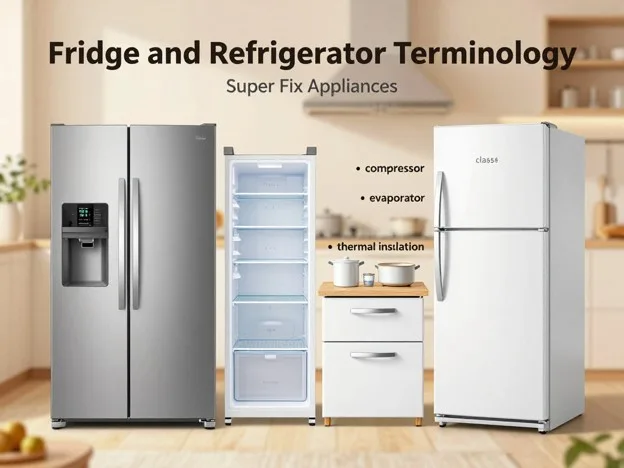
Understanding Fridge vs Refrigerator
When shoppers compare fridge vs refrigerator, the more useful question is usually not which word is technically different, but which appliance size and configuration suits the household.
Compact Fridges
Compact refrigerators may be useful for:
- Bedrooms
- Offices
- Guest rooms
- Studios
- Small apartments
- Beverage storage
- Secondary food storage
Capacities vary considerably between manufacturers, but compact units generally offer substantially less storage than a standard household refrigerator.
They may also have limited or no dedicated freezer space.
Full-Size Refrigerators
Full-size household refrigerators provide significantly more storage and are generally designed for regular grocery shopping and family food storage.
Common layouts include:
- Top freezer
- Bottom freezer
- Side-by-side
- French door
- Multi-door
- Built-in refrigerator
- Refrigerator-freezer combinations
They typically need more floor space, ventilation clearance, and room for doors or drawers to open fully.
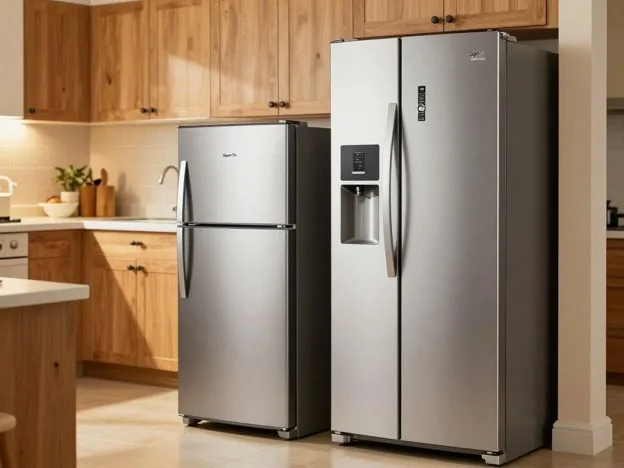
So, in practice, the meaningful comparison is often compact vs full-size, rather than the words fridge vs refrigerator themselves.
Historical Evolution of Refrigeration Technology
Modern household refrigeration developed through a long progression of mechanical cooling technologies.
Early vapor-compression systems laid the foundation for modern refrigerators, while later advances made refrigeration practical for homes and businesses.
Over time, domestic units gained features such as:
- Separate freezer compartments
- Automatic defrosting
- Improved insulation
- Thermostatic control
- More efficient compressors
- Fan-assisted cooling
- Digital temperature controls
- Smart diagnostics
Today's refrigerator may look very different from early household models, but most conventional domestic units still rely on the same broad principle: moving heat from inside an insulated cabinet to the surrounding environment.
Key Differences in Size, Capacity, and Energy Use
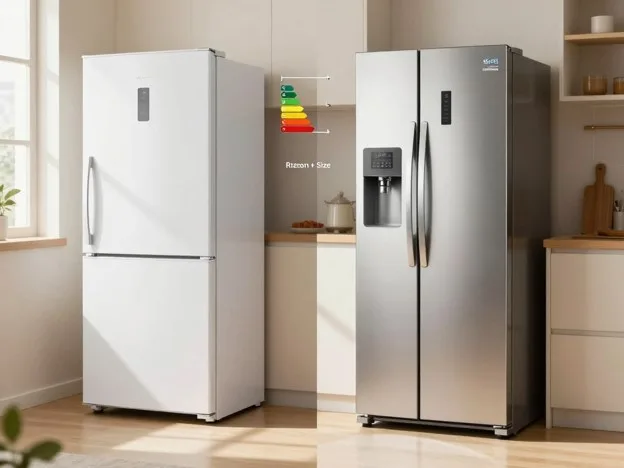
When choosing a cooling appliance, size and usable capacity matter more than whether the seller calls it a fridge or refrigerator.
Capacity
A compact fridge works well when only limited drinks, snacks, or food need to be stored.
A full-size model is more suitable when the household needs:
- Weekly grocery storage
- Fresh produce drawers
- Larger shelves
- Frozen-food storage
- Multiple temperature zones
- Large containers
- Family meal preparation
Energy Use
Smaller appliances often use less electricity in absolute terms simply because they cool less space, but size alone does not determine efficiency.
Compressor design, insulation, ambient temperature, door openings, appliance age, temperature settings, and overall construction all affect consumption.
ENERGY STAR notes that larger refrigerators generally use more energy and recommends choosing an appropriately sized model rather than buying unnecessary capacity. ENERGY STAR refrigerator buying guidance
Defrost Systems
Some compact models use simpler direct-cooling designs that may require manual defrosting.
Many modern full-size refrigerators use automatic or frost-free systems that circulate air and reduce ice buildup.
Neither approach automatically makes one appliance better. The choice depends on cost, convenience, storage needs, and usage.
Feature Comparison and Appliance Technology
Modern refrigerators offer a wide variety of technologies.
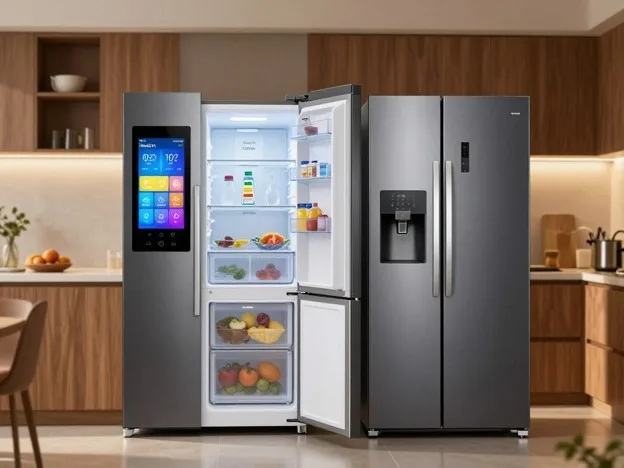
Most conventional household units use a vapor-compression refrigeration system, where refrigerant carries heat away from the insulated cabinet.
Additional features may include:
- Automatic defrost
- Digital temperature controls
- Water dispensers
- Ice makers
- Door alarms
- Adjustable humidity drawers
- Multi-airflow cooling
- Convertible compartments
- Dual evaporators
- Smart sensors
- Inverter compressors
- Wi-Fi diagnostics
Separate Freezer Compartments
A dedicated freezer is valuable for households that store:
- Frozen meals
- Meat
- Ice
- Bulk groceries
- Long-term food supplies
Compact units may offer only a small internal freezer box, while larger refrigerators can provide a separate freezer door or drawer.
Thermoelectric Mini Coolers
Some very small cooling units use thermoelectric or Peltier technology instead of a compressor.
These can operate quietly and may be suitable for specific low-capacity applications, but they should not automatically be treated as substitutes for a conventional household refrigerator where consistent food-safe temperatures are required.
Fridge vs Refrigerator: Is There a Real Technical Difference?
For normal household use, no universal technical distinction exists between the words.
A fridge is a refrigerator.
What actually differs is the appliance's:
| Feature | Compact Fridge | Full-Size Refrigerator |
|---|---|---|
| Storage | Limited | Larger |
| Typical use | Drinks, snacks, light storage | Main household food storage |
| Freezer | Small or optional | Often dedicated |
| Footprint | Small | Larger |
| Features | Usually simpler | Often more advanced |
| Household suitability | Single user / secondary use | Couples and families |
| Installation | Easier in tight spaces | Requires more clearance |
This distinction is much more useful to shoppers than trying to assign separate dictionary meanings to “fridge” and “refrigerator.”
Correct Refrigerator and Freezer Temperatures
Regardless of what you call the appliance, temperature matters.
The FDA recommends keeping a refrigerator at 40°F (4°C) or below and a freezer at 0°F (-18°C). FDA refrigerator and freezer temperature guidance
For everyday household operation, a refrigerator setting around 1.7°C to 3.3°C (35°F to 38°F) provides useful headroom below the 4°C food-safety ceiling. ENERGY STAR also recommends this range.
If you already have a refrigerator but it will not maintain the correct temperature, the issue may be more than the control setting.
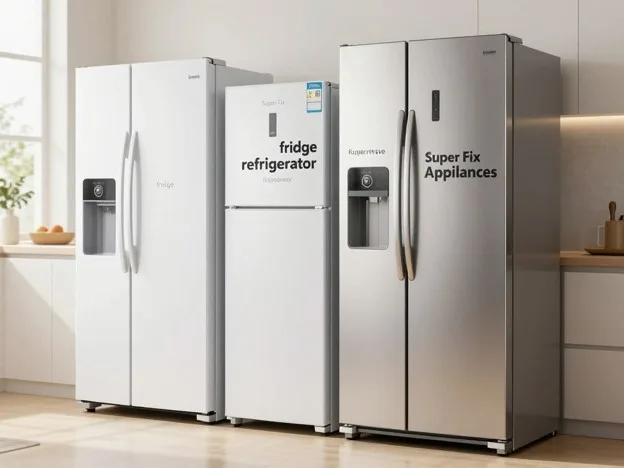
Super Fix's Refrigerator Repair Dubai service covers temperature fluctuations, thermostats, fan motors, defrost systems, door seals, refrigerant problems, compressors, and electronic controls.
Maintenance and Care for Cooling Appliances
Proper maintenance helps a refrigerator operate more reliably.
Routine Cleaning and Maintenance Tips
Useful maintenance includes:
- Keep door gaskets clean.
- Check seals for tears or gaps.
- Keep internal vents unobstructed.
- Avoid excessive overloading.
- Allow ventilation around the appliance as specified by the manufacturer.
- Clean accessible condenser coils if your model's manual recommends it.
- Keep the doors closed whenever possible.
- Periodically confirm temperature using an appliance thermometer.
Not every modern refrigerator has user-accessible condenser coils, so maintenance should always follow the model's manual.
Troubleshooting Performance Problems
Watch for symptoms such as:
- Food spoiling unusually quickly
- Freezer thawing
- Excessive frost
- Fridge running constantly
- Water leakage
- Unusual buzzing
- Grinding or squealing
- Temperature fluctuations
- Digital control errors
If noise is one of the warning signs, the previous Super Fix article Why Is My Fridge Making Loud Noises? Common Repair Solutions explains compressor, condenser-fan, evaporator-fan, ice-buildup, and related symptoms.
How Long Does a Refrigerator Last?
There is no single lifespan that applies to every refrigerator.
Service life depends on:
- Build quality
- Compressor condition
- Usage
- Ambient heat
- Ventilation
- Maintenance
- Door-seal condition
- Repair history
- Parts availability
The original article stated that a refrigerator would typically last 14 to 17 years. That is too specific to present as a universal replacement rule.
ENERGY STAR notes that refrigerators over 15 years old may cost more to operate, but age alone still does not mean an appliance automatically needs replacement.
When a refrigerator develops a major fault, compare:
- Repair cost
- Appliance age
- Current energy use
- Parts availability
- Warranty status
- Replacement cost
Refrigerator Options for UAE Homes
UAE households can choose from many refrigerator configurations.
Rather than focusing on one brand or a temporary model price, compare the characteristics that affect daily use.
Climate and Kitchen Conditions
Consider:
- Kitchen temperature
- Ventilation
- Distance from ovens and direct sunlight
- Installation clearance
- Door-opening frequency
A refrigerator working in a warm UAE kitchen may face a different operating environment from one installed in a cooler room.
Capacity
Think about how often your household shops and cooks.
A compact fridge may be enough for:
- One person
- A guest room
- Drinks
- Office use
- Supplemental storage
A larger refrigerator becomes more practical when storing food for several people.
Freezer Needs
If your household regularly stores frozen meat, prepared meals, bulk food, or ice, compare actual freezer capacity, not simply total appliance liters.
Serviceability
Also consider whether parts and qualified servicing are readily available for the brand in the UAE.
Super Fix Appliances currently works on major refrigerator brands and multiple configurations, including single-door, double-door, side-by-side, built-in, smart, residential, and commercial refrigerators across Dubai.
Energy Savings and Cost Considerations
Energy efficiency matters because a refrigerator operates continuously.
Useful factors include:
- Cabinet size
- Insulation
- Compressor technology
- Number of doors
- Temperature setting
- Room temperature
- Door-opening frequency
- Door-seal quality
- Ventilation
- Appliance age
ENERGY STAR notes that fewer doors can reduce air leakage and that appropriately sized refrigerators generally use less energy than unnecessarily large models.
The original article included India-specific Star ratings, rupee pricing, and financing information, which is not appropriate for a UAE-targeted blog, so those sections have been removed.
Buying Considerations for UAE Homes
Before purchasing, measure:
- Width
- Height
- Depth
- Door swing
- Cabinet clearance
- Ventilation space
- Lift or doorway access
Then compare your actual storage requirements.
Small Spaces and Single Users
Compact refrigerators work well where space is limited or the appliance is secondary.
Couples and Small Households
A medium full-size refrigerator generally offers greater flexibility for fresh food, beverages, and frozen products.
Larger Families
Larger households may benefit from:
- Double-door refrigerators
- Bottom freezers
- Side-by-side units
- French-door designs
- Larger freezer compartments
Do not choose based on capacity numbers alone. Shelf layout, drawers, freezer shape, and usable storage can matter just as much.
For more general appliance-maintenance guidance, Super Fix's previous article Why Regular Dishwasher Services Are Essential for Longevity? provides another example of how routine care can support appliance performance and service life.
Conclusion
The difference between fridge vs refrigerator is primarily linguistic rather than technical.
“Fridge” is simply the informal shortened term for refrigerator. Compact fridges and full-size refrigerators can differ significantly in size, capacity, freezer arrangement, features, and energy consumption, but those differences come from the appliance design, not the word used to describe it.
For UAE households, the best choice depends on:
- Available kitchen space
- Household size
- Grocery habits
- Freezer requirements
- Energy efficiency
- Installation clearance
- Budget
- Parts and service availability
Whatever model you choose, maintain the refrigerator at 4°C or below and the freezer at -18°C or below for safer food storage.
Proper maintenance, correct temperatures, good airflow, clean seals, and timely repair can help keep the appliance working reliably.
Frequently Asked Questions
What is the main difference between a fridge and a refrigerator?
In normal English, there is no technical difference. Fridge is the informal shortened form of refrigerator. Product listings may use the terms differently to describe compact or full-size units.
Is a mini fridge the same as a refrigerator?
A mini fridge is a type of compact refrigerator. It uses the same basic purpose of keeping food or drinks cold but offers less capacity and may have limited freezer space.
How do I choose the right refrigerator size?
Consider household size, shopping habits, available kitchen space, freezer needs, and the physical dimensions of the appliance.
What features should I look for?
Useful features may include adjustable shelves, humidity-controlled drawers, frost-free operation, digital temperature controls, separate freezer compartments, inverter compressors, door alarms, and efficient airflow systems.
How can I improve refrigerator energy efficiency?
Keep the door closed when possible, maintain correct temperatures, inspect door seals, provide proper ventilation, avoid blocking internal vents, and follow manufacturer maintenance guidance.
What maintenance does a fridge need?
Regularly inspect door seals, keep vents clear, clean accessible components according to the manual, check temperatures, and investigate abnormal noises, leaks, frost, or cooling changes.
What temperature should my refrigerator be?
Keep the refrigerator at 4°C or below. A practical target around 1.7°C to 3.3°C gives additional margin below that limit.
What temperature should my freezer be?
Keep the freezer at -18°C (0°F) or below.
What should I do if my refrigerator stops cooling properly?
Check the temperature control, door seal, blocked vents, and whether the appliance is overloaded. Persistent cooling problems may require professional diagnosis.